Español
 English
 Português
 عربي
عربي 한국어
한국어

En la última década, los materiales arquitectónicos han experimentado un cambio estructural sigiloso. Lo que antes giraba en torno a los sistemas de revestimiento tradicionales y los formatos de piedra convencionales, ahora se define cada vez más por... piedra sinterizada paneles, no como una tendencia, sino como respuesta a demandas reales de diseño y rendimiento.
Hoy en día, los arquitectos no se limitan a elegir superficies; especifican sistemas que deben ser eficaces en función de la estructura, el clima, la escala y el mantenimiento a largo plazo. Es aquí donde la piedra sinterizada se ha ganado su lugar.
El auge de la piedra sinterizada de gran formato no se debe únicamente a la estética. Responde a un reto arquitectónico de larga data: cómo crear superficies visualmente continuas sin introducir juntas, espesores ni cargas estructurales excesivas.
A diferencia de las losas de piedra tradicionales, que dependen en gran medida del refuerzo del sustrato, la piedra sinterizada logra estabilidad dimensional gracias a su proceso de fabricación. Las partículas minerales se compactan bajo presión y temperatura extremas, lo que produce losas que se mantienen planas, consistentes y predecibles, incluso a escala arquitectónica.
Para los diseñadores que trabajan en fachadas, centros de tránsito, podios comerciales o edificios culturales, esta previsibilidad simplifica los detalles y reduce el riesgo posterior durante la instalación.
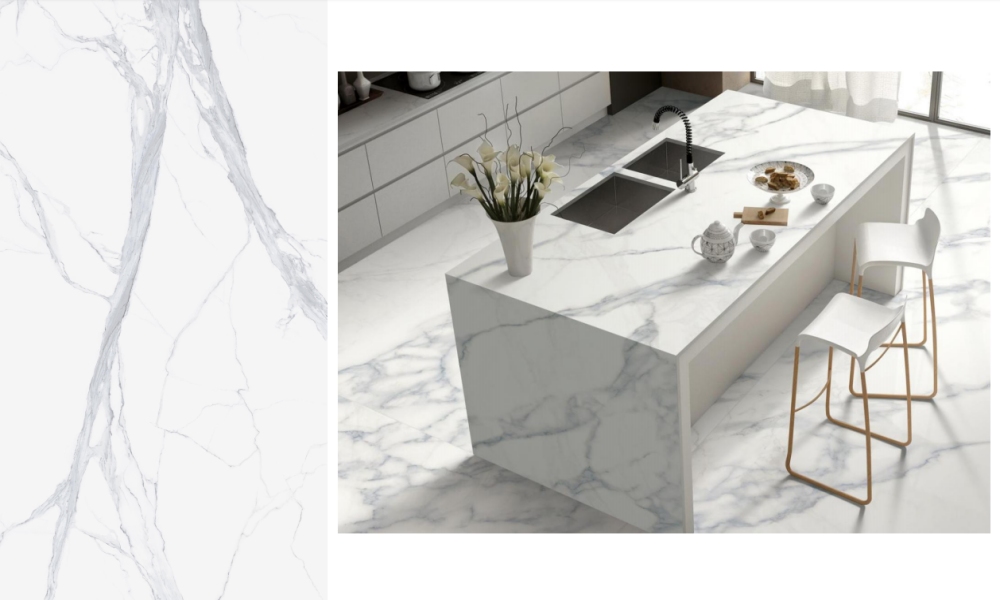
Cuando los profesionales hablan de superficies ultracompactas, no se limitan a la dureza. Se refieren a una categoría de material diseñada para resistir:
Exposición a rayos UV sin degradación de la superficie
Ciclos de congelación y descongelación en ambientes exteriores
Contacto químico en espacios públicos o industriales
Variación térmica a lo largo de grandes elevaciones
Estas características no se añaden mediante recubrimientos ni tratamientos; son inherentes al cuerpo material. Esta distinción es importante en arquitectura, donde el fallo de la superficie no es un problema estético, sino una desventaja.
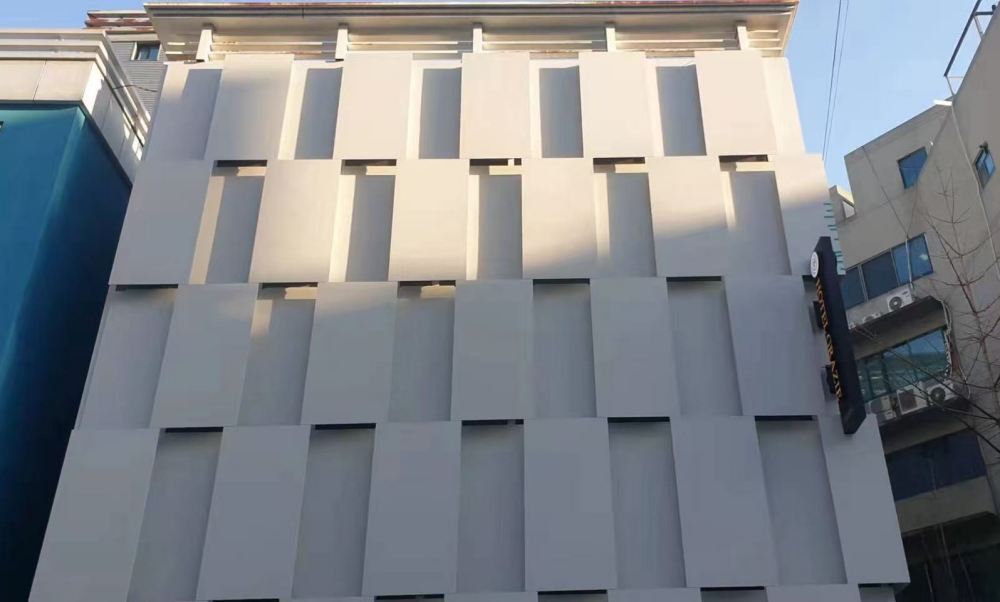
Una obra bien ejecutada fachada de piedra sinterizada ofrece a los arquitectos algo poco común: libertad de diseño sin sacrificar la disciplina del rendimiento.
Desde sistemas de fachadas ventiladas hasta aplicaciones de instalación en seco, la piedra sinterizada permite espesores controlados, tolerancias precisas y un comportamiento cromático constante a lo largo del tiempo. Permite a los arquitectos diseñar geometrías limpias, bordes definidos y amplios planos visuales, sin la imprevisibilidad de la erosión asociada a muchos materiales naturales.
Este equilibrio es la razón por la que la piedra sinterizada se utiliza cada vez más para aeropuertos, museos, podios de gran altura y arquitectura cívica.
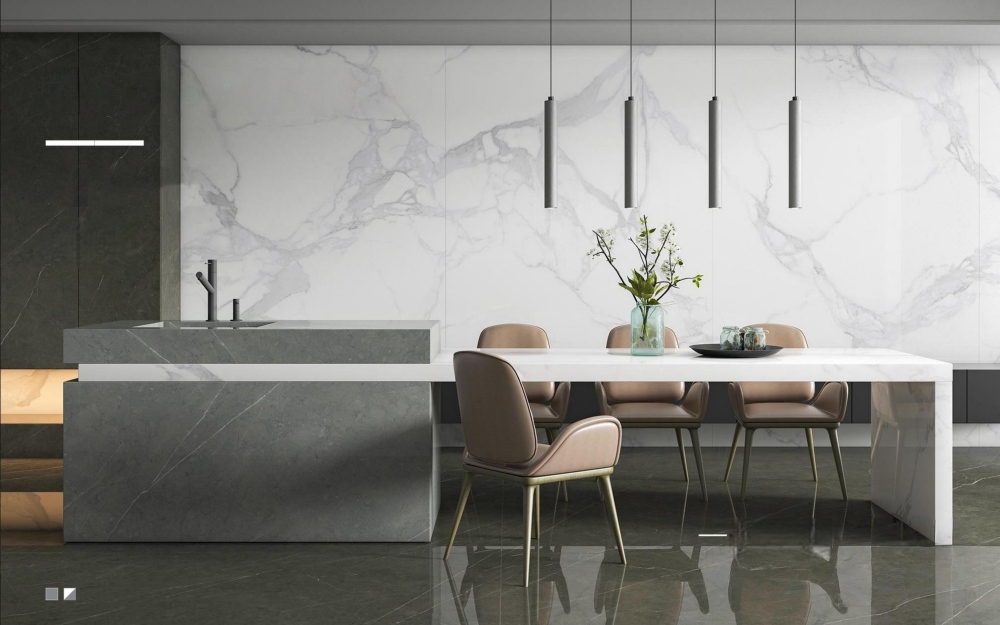
Con demasiada frecuencia, se habla de materiales como si fueran acabados. En realidad, la piedra sinterizada arquitectónica forma parte de una estrategia más amplia de envolvente del edificio.
Su compatibilidad con sistemas de fijación modernos, su resistencia a las agresiones ambientales y su baja absorción de agua lo hacen ideal para su integración en fachadas de alto rendimiento. Para los arquitectos, esto implica menos concesiones entre el diseño conceptual y la ejecución.
En los mercados maduros, la piedra sinterizada ya no se posiciona como una alternativa: se especifica deliberadamente, a menudo al comienzo de la fase de diseño.
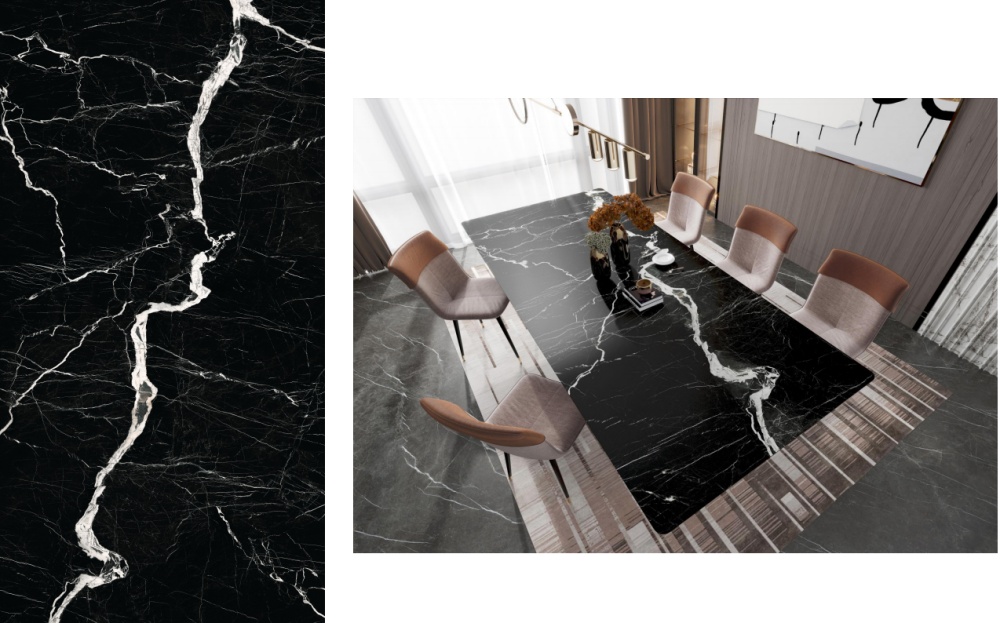
Detrás de cada proyecto exitoso hay un fabricante de piedra sinterizada capaz que entiende la arquitectura, no solo la producción.
La consistencia en la geometría de las losas, la estabilidad de los lotes, la documentación técnica y la coordinación del proyecto son fundamentales a escala arquitectónica. Los fabricantes que prestan servicios en proyectos internacionales deben apoyar a los diseñadores con:
Datos técnicos alineados con los códigos de construcción
Capacidad de producción estable para desarrollos por fases
Consulta de materiales durante la especificación inicial
Sin este nivel de colaboración, incluso el material más avanzado no cumple con las expectativas arquitectónicas.
La piedra sinterizada ha alcanzado su posición actual no gracias al marketing, sino a su aplicación. Resuelve problemas que los arquitectos enfrentan a diario: escala, durabilidad, precisión y longevidad.
A medida que las envolventes de los edificios evolucionan hacia sistemas más delgados, ligeros y de mayor rendimiento, la piedra sinterizada ya no es una opción emergente. Ya forma parte del vocabulario arquitectónico. Y en muchos casos, está dando forma a ese vocabulario.



 IPv6 RED SOPORTADA